
At a Glance
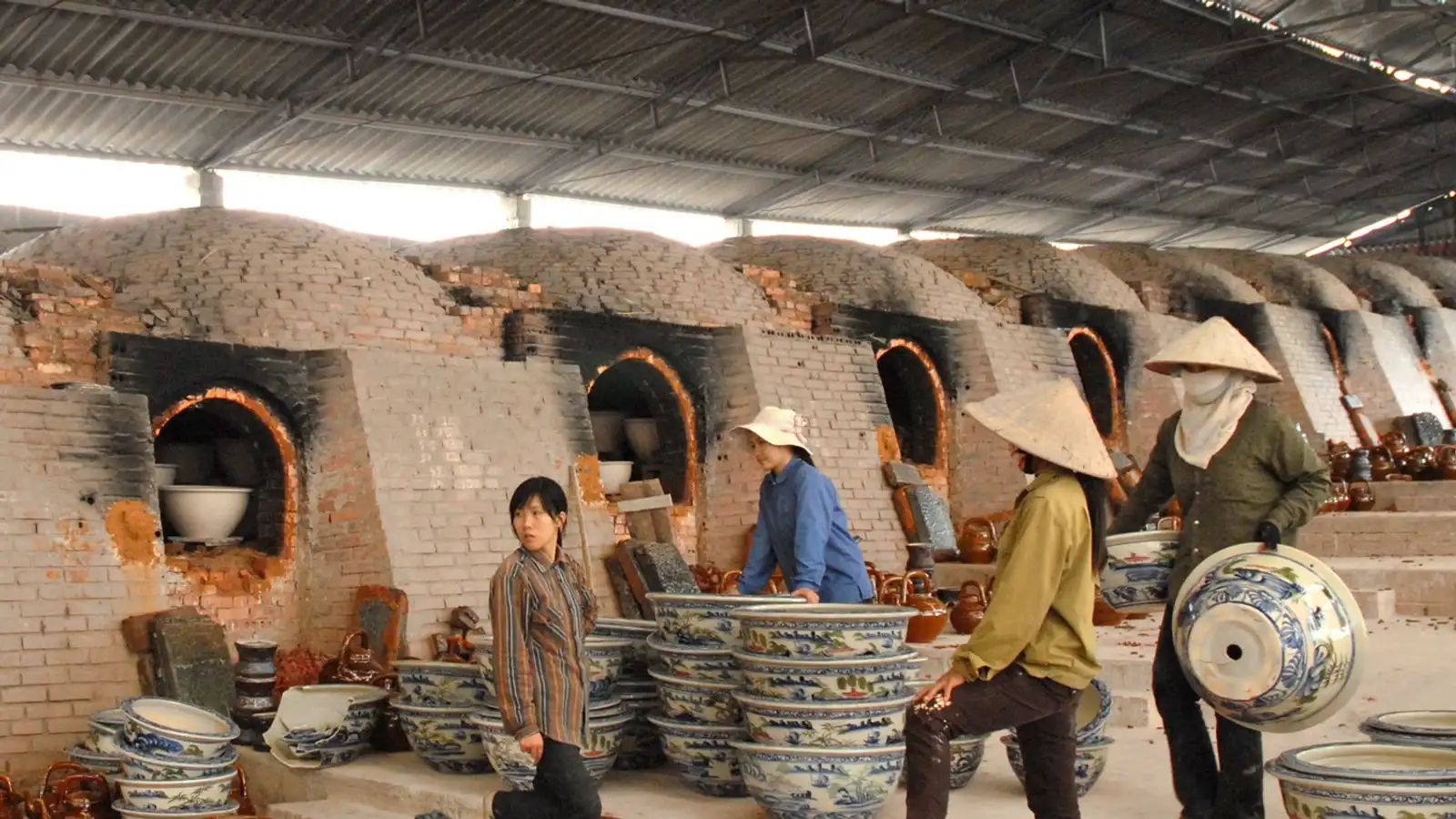
Mang Thít Brick & Kiln Ceramic Village, located in Huyện Mang Thít, Vinh Long Province, stands as an acclaimed recognized traditional craft village celebrated for terracotta brick kilns & clay architecture. Famous locally for preserving traditional techniques, the community welcomes travelers to explore active family workshops, observe authentic craftsmanship stages, and acquire fairly priced heritage goods directly from makers.
1. History, Origins & Artisan Lineage of Mang Thít Brick & Kiln Ceramic Village
Stretching thirty kilometers along the Co Chien River and Thay Cai Canal, Mang Thit’s "Red Kingdom" once counted over a thousand towering brick kilns built from early twentieth-century alluvial clay reserves.
Capped by weathered conical chimneys fired by local rice hulls, these riverside brick monuments offer extraordinary golden-hour photography by wooden sampan along Mekong creeks.
2. Craftsmanship Stages at Mang Thít Brick & Kiln Ceramic Village
Each stage at Mang Thít Brick & Kiln Ceramic Village reflects centuries of hands-on mastery preserved by local workshop families.
Alluvial River Clay Extraction
Dense riverside alluvial clay is harvested from delta banks and cured in outdoor tempering yards.
Clay Pugmilling & Brick Pressing
Tempered clay is extruded and pressed cleanly into architectural bricks, roof tiles, and planter forms.
Sun Drying in Riverside Yards
Tens of thousands of green bricks are stacked in airy lattice rows to lose moisture evenly before firing.
Kiln Stacking & Rice-Husk Firing
Workers stack bricks inside towering conical vaults fueled gently with local rice husks over 25–30 days.
Cooling, Sorting & River Barge Loading
Once cooled, resonant terracotta-red bricks are unloaded directly onto wooden river barges.
Hands-On Participation
3. Visitor Workshop & Cultural Immersion
Travelers explore historic riverside kiln towers by boat or foot, learning rice-husk firing methods and photographing terracotta arches at golden hour.
Workshop Fee
$4 – $8 USD
Session Length
40 Minutes
Keepsake Item
Tasting & observation
4. Visual Field Notes: Mang Thít Brick & Kiln Ceramic Village
Tap any photograph to zoom and browse the full slide gallery with thumbnails.
5. Getting There & Best Visiting Window
6. Fair-Trade Shopping & Spotting Authentic Craftwork
Authenticity indicators
Authentic unglazed Mekong terracotta shows warm natural orange-red tones with subtle mineral bloom from rice-husk smoke.
Typical workshop price range
$2 – $7 USD for kiln heritage entry and mini terracotta souvenirs.
Cultural & workshop etiquette
Watch for damp canal steps and maintain safe distance from active kiln fireboxes.
7. Frequently Asked Questions
When is the best season and time of day to visit Mang Thít Brick & Kiln Ceramic Village?+
December to April—highlighting pre-Tet Mekong floral carpets, sunny salt-shrimp drying, and wild forest honey harvests. Morning hours between 8:30 AM and 11:00 AM give the liveliest view of workshops before midday breaks.
Can travelers try hands-on workshops at Mang Thít Brick & Kiln Ceramic Village?+
Yes. Travelers explore historic riverside kiln towers by boat or foot, learning rice-husk firing methods and photographing terracotta arches at golden hour. Typical workshop fees range around $4 – $8 USD for a 40-minute session.
How can visitors recognize authentic handcrafted items at Mang Thít Brick & Kiln Ceramic Village?+
Authentic unglazed Mekong terracotta shows warm natural orange-red tones with subtle mineral bloom from rice-husk smoke. Fair workshop pricing typically falls around $2 – $7 USD for kiln heritage entry and mini terracotta souvenirs.
How do international visitors travel smoothly to Mang Thít Brick & Kiln Ceramic Village?+
5–35 km from Can Tho, Sa Dec, Vinh Long, or Chau Doc delta hubs. Combine charming delta road bridges with wooden canal sampan rides linking orchard islands and riverside kilns.
Tailored Comparison & Availability
Get a Verified Mang Thít Brick & Kiln Ceramic Village Itinerary & Quote
Share your travel window and group size. We compile real-time seats, transparent inclusions, and private vs. small-group options.