
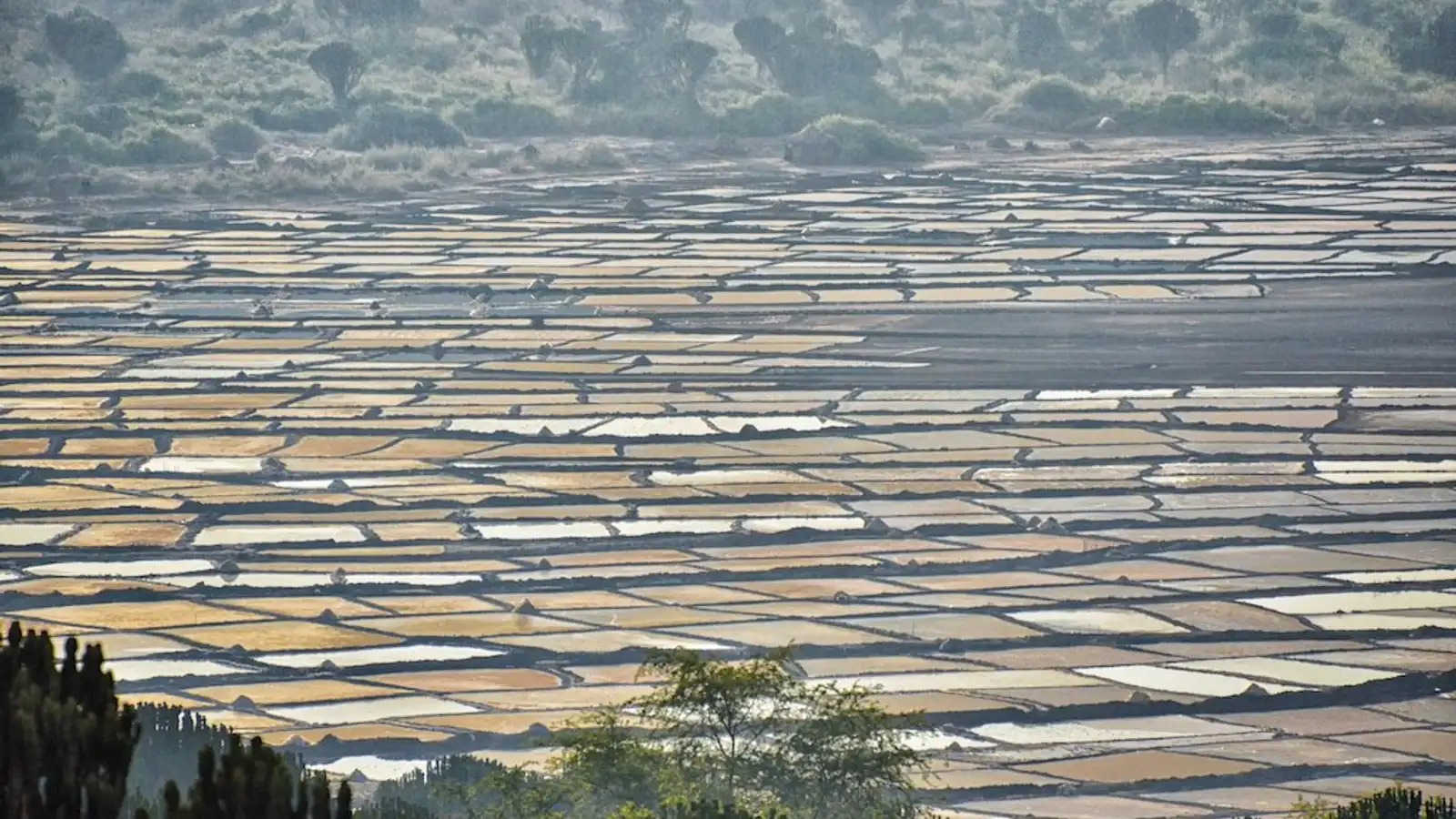
At a Glance
Sa Huỳnh Coastal Salt Making Village, located in Phường Phổ Thạnh, thị xã Đức Phổ, Quang Ngai Province, stands as an acclaimed national intangible cultural heritage celebrated for traditional coastal sea-salt farming. Famous locally for preserving traditional techniques, the community welcomes travelers to explore active family workshops, observe authentic craftsmanship stages, and acquire fairly priced heritage goods directly from makers.
1. History, Origins & Artisan Lineage of Sa Huỳnh Coastal Salt Making Village
Làng muối Sa Huỳnh (Sa Huỳnh Coastal Salt Making Village) has evolved across generations in Quang Ngai Province by turning indigenous local materials into enduring expressions of everyday utility and folk beauty. Coastal salt farmers channel clear seawater across sunlit evaporation pans and terracotta floors to rake pure, mild-tasting sea salt crystals.
Unlike automated factory production, every stage inside this village rests upon keen human judgment, seasonal rhythms, and family workshop cooperation—preserving authentic heritage across South Central Coast while greeting attentive visitors respectfully.
2. Craftsmanship Stages at Sa Huỳnh Coastal Salt Making Village
Each stage at Sa Huỳnh Coastal Salt Making Village reflects centuries of hands-on mastery preserved by local workshop families.
Compacting Terracotta or Sand Evaporation Beds
Shallow evaporation pans are rolled flat and tightly packed—often using traditional clay surfaces—so crystal harvests stay pure white.
Channeling Seawater Through Sand-Filter Beds
Tidal seawater settles across progressively shallower evaporation beds concentrating natural salinity.
Intense Solar Evaporation Under Coastal Sun
Blazing coastal sunshine evaporates excess water until briny beds reach crystalline saturation.
Crystallization & Raking Sparkling Salt Mounds
Salt farmers push wooden rakes rhythmically across shimmering salt pans to pile snowy mounds by late afternoon.
Basket Carrying & Draining Bitter Brine
Freshly harvested salt drains slowly in storage sheds so bitter magnesium trace brine drips cleanly away.
Hands-On Participation
3. Visitor Workshop & Cultural Immersion
Best photography and field visits occur around sunrise (5:30–7:00 AM) and late afternoon (4:00–5:45 PM) when salt raking peaks against mirror-like pans.
Workshop Fee
Free coastal viewing
Session Length
40 Minutes
Keepsake Item
Tasting & observation
4. Visual Field Notes: Sa Huỳnh Coastal Salt Making Village
Tap any photograph to zoom and browse the full slide gallery with thumbnails.
5. Getting There & Best Visiting Window
6. Fair-Trade Shopping & Spotting Authentic Craftwork
Authenticity indicators
Artisanal sun-evaporated coarse salt grains taste crisp and mild without harsh bitterness.
Typical workshop price range
$1 – $3 USD per kilo bag of gourmet sea salt.
Cultural & workshop etiquette
Walk strictly along raised mud dykes between evaporation beds without stepping into crystallization pans.
7. Frequently Asked Questions
When is the best season and time of day to visit Sa Huỳnh Coastal Salt Making Village?+
Dry months from January through August—essential for open-pit Cham pottery firing and bright salt-pan reflections. Morning hours between 8:30 AM and 11:00 AM give the liveliest view of workshops before midday breaks.
Can travelers try hands-on workshops at Sa Huỳnh Coastal Salt Making Village?+
Family yards at Sa Huỳnh Coastal Salt Making Village welcome respectful walk-in visits free of charge to watch traditional coastal sea-salt farming production up close alongside artisans.
How can visitors recognize authentic handcrafted items at Sa Huỳnh Coastal Salt Making Village?+
Artisanal sun-evaporated coarse salt grains taste crisp and mild without harsh bitterness. Fair workshop pricing typically falls around $1 – $3 USD per kilo bag of gourmet sea salt.
How do international visitors travel smoothly to Sa Huỳnh Coastal Salt Making Village?+
5–30 km from coastal Nha Trang, Phan Rang, Quy Nhon, or Buon Ma Thuot. Rent a scooter or hire a local driver easily pairing Cham temples with historic coastal villages.
Tailored Comparison & Availability
Get a Verified Sa Huỳnh Coastal Salt Making Village Itinerary & Quote
Share your travel window and group size. We compile real-time seats, transparent inclusions, and private vs. small-group options.